

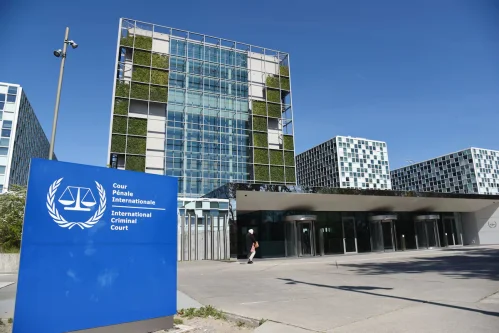
The United States has called on Nigeria and other African countries that are signatories to the International Criminal Court (ICC) to withdraw from the global war crimes tribunal, describing it as a “flawed institution” that undermines national sovereignty. The call was made by the U.S. State Department’s Bureau of African Affairs in a post on X on Monday following Chad’s decision to withdraw from the Rome Statute, the treaty that established the ICC.
The development signals a renewed push by the administration of President Donald Trump against the Hague-based court, which Washington has long criticised over what it considers politically motivated investigations and prosecutions. What they are saying
Reacting to Chad’s withdrawal, the U.S. Bureau of African Affairs welcomed the move, saying it represented a step toward reclaiming national sovereignty. “The United States welcomes Chad’s decision to withdraw from the ICC and join the growing number of nations reclaiming their sovereignty from this flawed institution,” the Bureau said in its X post.
“We encourage all states that are party to the Rome Statute to reconsider their membership in the ICC,” it added. Nigeria is among the 125 countries that are parties to the Rome Statute and remains under the jurisdiction of the ICC, which prosecutes individuals accused of genocide, war crimes, crimes against humanity and the crime of aggression. Get up to speed
Chad announced on Monday that it had formally initiated the process of withdrawing from the ICC, becoming the latest African country to distance itself from the court. The decision follows similar moves by Mali, Burkina Faso and Niger, whose military-led governments have also rejected the tribunal’s authority in recent months. Under the Rome Statute, a country’s withdrawal takes effect one year after formal notification to the United Nations. The U.S.
has increasingly backed countries seeking to leave the ICC, arguing that the court has become politicised and infringes on the sovereignty of member states. The Trump administration has also imposed sanctions on the ICC over investigations involving U.S. allies, including Israel. What you should know
Nigeria has not indicated any intention to withdraw from the Rome Statute, and there has been no official response from the Federal Government to the latest U.S. appeal.
The most recent ICC’s intervention in Nigeria dates back to 2020 when the Court said it was monitoring the EndSARS protest in the country, warning security agencies against committing Rome Statute crimes. The statement followed a petition by the Socio-Economic Rights and Accountability Project (SERAP) Deputy Director Kolawole Oluwadare, urging the Court’s prosecutor, Fatou Bensouda to investigate reports that Nigerian authorities, military, and some politicians had used thugs, soldiers and security agents to intimidate, harass, attack and kill EndSARS peaceful protesters in several parts of Nigeria.