

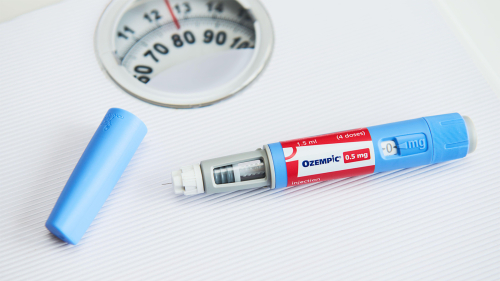
— Weight-loss drugs have lots of benefits, and lots of potential side effects
by Kristina Fiore, Director of Enterprise & Investigative Reporting, MedPage Today
August 11, 2026
• 3 min read
GLP-1 drugs, used for type 2 diabetes and weight loss, have been touted for their many benefits, but it’s their side effects that often make headlines, especially those with compelling monikers like “Ozempic teeth.”
Here, we list some of the most common — and most commonly discussed — side effects with GLP-1 receptor agonists like semaglutide (Ozempic, Wegovy), ranging from the run-of-the-mill gastrointestinal (GI) effects to more serious risks like eye complications.
Nausea, Vomiting, Diarrhea
These three GI symptoms are some of the most commonly reported adverse effects with GLP-1 drugs, and that’s no surprise. These events have been evident since initial FDA approvals for type 2 diabetes, showing up consistently in clinical trials and systematic reviews alike.
Muscle Mass Loss
Endocrinologists have long noted that patients taking GLP-1 drugs stand to lose lean muscle mass alongside weight. Studies have suggested that eating more protein may help offset some of that loss.
‘Ozempic Teeth’
Patients have reported a number of oral health issues while taking GLP-1 agonists, including dry mouth, sensitivity, and gum inflammation. Experts told MedPage Today this tends to stem from dehydration issues that the drugs can bring on.
‘Ozempic Personality’
Some patients taking these drugs have reported a type of emotional flattening that involves a “dulled response not just to food, but to other sources of joy such as reading, listening to music, dancing, gardening — or even sex,” as one expert noted.
Hair Loss
Early research and clinical trial data have suggested hair loss may be a side effect of these drugs, though it may be more of a problem for women than men.
Blindness
Last year, the European Medicines Agency warned of a rare but potentially severe side effect with semaglutide: non-arteritic anterior ischemic optic neuropathy (NAION). It’s caused by a reduction in blood flow to the optic nerve head and can lead to vision loss. The agency determined NAION could affect up to 1 in 10,000 people taking the drug.
Other Eye Conditions
Studies have also shown potential relationships between these drugs and several ophthalmic conditions, including neovascular age-related macular degeneration, diabetic retinopathy, and others.
Gallbladder Issues
GLP-1 agonists have been linked to some risk of gallbladder issues, including gallstones and cholecystitis, though the absolute risk is small.
Aspiration During Surgery
In 2024, the FDA added a warning about pulmonary aspiration during general anesthesia or deep sedation to most GLP-1 drugs. That followed rare postmarketing reports of the condition in patients who were having surgery. The issue has divided anesthesiologists, though; the American Society of Anesthesiologists initially called for stopping the drugs before surgery, but now says most patients can continue taking them until the day of surgery.
Thyroid Tumors
Thyroid C-cell tumors have long had a known association with this drug class. Some recent work has suggested, however, that the increased risk of thyroid cancer seen with GLP-1 drugs is tied to increased surveillance. Most of these drugs carry a boxed warning about these tumors.
Interfering With Medical Scans
One other potential complication with GLP-1 drugs is that they may throw off some medical scans. Specifically, they may influence the interpretation of cancer PET-CT scans, as they could boost uptake of the tracer.