
— Approved in combination with nivolumab for patients who progress on prior anti-PD-1 therapy
August 6, 2026
• 2 min read
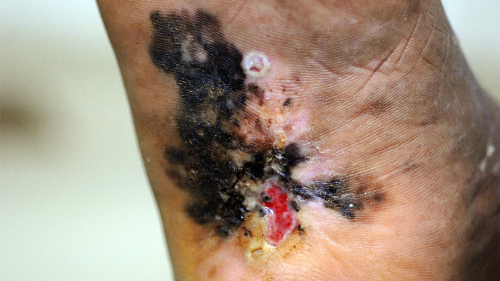
The FDA granted accelerated approval to vusolimogene oderparepvec (Tudriqev), known as RP1, in combination with nivolumab (Opdivo) to treat adults with unresectable advanced cutaneous melanoma, the agency announced Thursday.
The genetically modified oncolytic viral therapy is indicated for patients who experienced disease progression with an anti-PD-1-based therapy.
The approval concludes a roller-coaster regulatory ride for the drug, which had been twice rejected by the FDA.
Approval was based on results from the single-arm phase II IGNYTE study of 140 patients with stage IIIB, IIIC, or IV unresectable advanced melanoma who experienced disease progression on at least 8 consecutive weeks of prior anti-PD-1-based therapy. Patients achieved an objective response rate of 24%, with a median duration of response of 14.1 months.
“For patients with advanced melanoma that have stopped responding to PD-1 blocking therapy, the prognosis is often devastating, and options have been far too limited. Clinicians managing these patients know this urgency firsthand,” said Karim Mikhail, BPharm, MS, acting director of the FDA’s Center for Biologics Evaluation and Research, in the FDA announcement. “Today’s important milestone gives oncologists a meaningful new tool — and more patients a fighting chance.”
Accelerated approval was granted despite the FDA’s continuing concerns about the reliability of IGNYTE’s results.
During last week’s Cellular, Tissue, and Gene Therapies Advisory Committee meeting, FDA staffers took issue with how the results of the trial were assessed, calling the methods “unreliable” and noting that they “confound interpretation of reported efficacy results, limit FDA’s ability to verify the reported results, and do not support the conclusion that this trial is adequate and well-controlled.”
However, panelists voted 10-3 that the study demonstrated “evaluable and clinically meaningful” efficacy results.
The FDA rejected the drug in 2025 and again this year after the company included exploratory analyses and an unplanned analysis from the phase III IGNYTE-3 trial.
The rejections were among several controversial decisions regarding drug approvals during the tenure of former FDA Commissioner Marty Makary, MD, MPH.
The prescribing information for RP1 includes warnings and precautions for accidental exposure, herpetic infection or reactivation, injection procedure complications, and immune-mediated events.
The most common non-laboratory adverse reactions included fatigue, pyrexia, infections, chills, musculoskeletal pain, nausea, diarrhea, injection-site reaction, headache, cough, influenza-like illness, rash, vomiting, pruritus, arthralgia, constipation, decreased appetite, dizziness, dyspnea, hemorrhage, edema, and abdominal pain.