

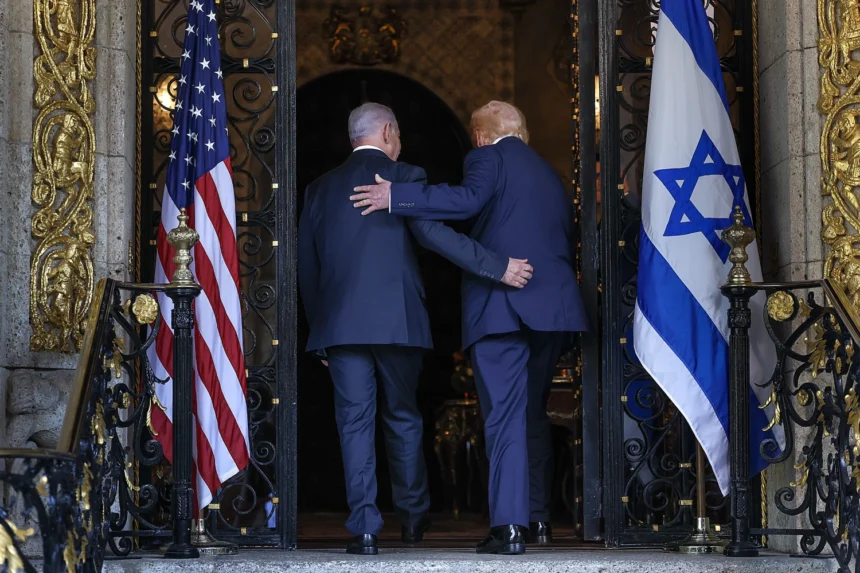
WASHINGTON, D.C. — Israeli Prime Minister Benjamin Netanyahu arrived in Washington this week for a crucial meeting with U.S. President Donald Trump, as growing tensions over Iran, military strategy, and Middle East diplomacy threaten to reshape one of the world’s most important political alliances.
Once known for their close political partnership, Trump and Netanyahu are now navigating significant policy differences that have emerged following months of conflict with Iran. The meeting comes at a critical time, with Netanyahu preparing for Israel’s October elections while Trump balances foreign policy decisions ahead of the U.S. election season.
Trump Publicly Pushes Back on Netanyahu
Before Netanyahu’s arrival, President Trump openly questioned reports that the Israeli leader intended to present new intelligence suggesting Iran had resumed rebuilding its nuclear program.
Speaking during a . News interview, Trump dismissed the need for additional briefings, saying he was already fully aware of Iran’s activities and suggesting Netanyahu wanted to keep the United States deeply involved in the conflict.
The remarks highlighted growing differences between the two leaders over America’s future role in the region.

Netanyahu Worked for Weeks to Secure White House Meeting
According to U.S. and Israeli officials, Netanyahu spent several weeks seeking a White House meeting with Trump to discuss Iran’s military capabilities and urge continued pressure on Tehran.
Reports indicate Trump initially hesitated to schedule the meeting, while some White House officials expressed frustration over what they viewed as Israeli attempts to create public pressure through media reports.
The funeral of Senator Lindsey Graham ultimately provided an opportunity for the two leaders to meet during their time in Washington.

Despite recent disagreements, senior administration officials continue to describe Trump as one of Israel’s strongest allies and reaffirm America’s commitment to Israel’s security.
Iran War Exposes Strategic Differences
The latest tensions stand in sharp contrast to February, when Trump and Netanyahu jointly laid the groundwork for coordinated military action against Iran.
Early operations demonstrated unprecedented cooperation between the United States and Israel, with both governments celebrating successful strikes against Iranian military infrastructure.
However, as the conflict continued without delivering the anticipated political outcome, strategic disagreements became increasingly visible.
Netanyahu has consistently supported maintaining military pressure on Iran, believing continued operations are necessary to weaken Tehran’s capabilities.
Trump, meanwhile, has favored limiting U.S. involvement and pursuing an exit strategy to avoid a prolonged regional conflict.

Officials familiar with the discussions say the president has become increasingly frustrated by the ongoing stalemate and the absence of a decisive resolution.
New Intelligence Could Shape Future U.S. Policy
Israeli officials say Netanyahu intends to present updated intelligence regarding Iran’s nuclear and military rebuilding efforts during his discussions with Trump.
The Israeli government hopes the information will encourage Washington to maintain a firm stance against Tehran rather than pursue additional diplomatic concessions.
Even so, Israeli officials reportedly believe Trump is unlikely to support another major military escalation before the upcoming U.S. elections.
Ceasefire Disagreements Continue
Although Netanyahu has avoided publicly criticizing Trump’s April ceasefire initiative, several members of his political coalition have openly opposed the agreement.
Pro-government media outlets have also criticized senior U.S. officials involved in negotiating the ceasefire, reflecting growing frustration within parts of Israel’s political establishment.
The disagreement illustrates broader differences over how best to address Iran’s regional influence and long-term security challenges.
Domestic Politics Influence Both Leaders
Politics continue to play an important role in the relationship between Trump and Netanyahu.
With Israeli elections approaching in October, Netanyahu is seeking to demonstrate strong international leadership while maintaining close ties with Washington.
Trump has publicly supported Netanyahu in recent weeks, including defending his ability to visit the United States despite political controversy.
However, reports suggest the president has privately criticized some of Netanyahu’s military decisions, particularly continued operations in Lebanon that threatened regional ceasefire efforts.
What the Meeting Means for U.S.-Israel Relations
Despite growing policy differences, the United States and Israel remain close strategic partners with shared interests in regional security and preventing Iran from developing nuclear weapons.
The outcome of this Washington meeting could influence future military cooperation, diplomatic negotiations, and broader Middle East policy.
As both Trump and Netanyahu face significant political challenges at home, their ability to manage these disagreements while preserving the long-standing U.S.-Israel alliance will be closely watched by allies and adversaries alike.
Key Takeaways
- Netanyahu visited Washington for his seventh meeting since Trump returned to office.
- Trump has publicly and privately expressed frustration over Israel’s approach to the Iran conflict.
- Iran remains the central issue dividing the two leaders.
- Netanyahu hopes new intelligence will persuade Trump to maintain pressure on Tehran.
- The meeting comes as both leaders prepare for important national elections.