

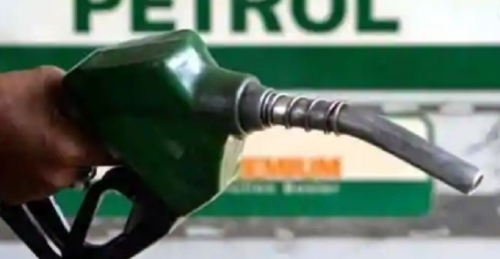
Libya, Angola and Algeria have emerged as the African countries with the cheapest petrol prices in August 2026, with pump prices in the three oil-producing countries significantly below the global average. Data from Global Petrol Prices, updated on August 3, 2026, showed that Libya had the continent’s lowest average retail price for octane-95 gasoline at just $0.024 per litre. Angola ranked second at $0.327 per litre, while Algeria occupied the third position at $0.35 per litre. The wide differences in petrol prices across African countries reflect variations in domestic fuel subsidies, taxation, exchange rates, crude oil production, refining capacity and government regulation of downstream petroleum markets. Global Petrol Prices tracks retail energy prices across more than 150 countries and over 250 cities, providing comparative data on the cost of gasoline and diesel. The latest figures show that the 10 African countries with the cheapest petrol prices in August are predominantly oil-producing or fuel-subsidising countries, although the degree of government intervention differs significantly.
10. Ethiopia — $1.048 per litre
Ethiopia completed the top 10, with petrol selling for approximately $1.048 per litre. The price of octane-95 gasoline was reported at 167.5 Ethiopian birr per litre. Global Petrol Prices put the corresponding global average at 241.74 birr per litre. Unlike most of the other countries on the list, Ethiopia is not a major crude oil producer. Its relatively low ranking therefore reflects domestic fuel-pricing policies, market regulation and other factors rather than substantial domestic crude production.
9. Gabon — $1.046 per litre
Gabon ranked ninth, with petrol priced at approximately $1.046 per litre. The reported price of octane-95 gasoline was 595 CFA francs per litre, compared with a global average of about 860.56 CFA francs. Gabon is an oil-producing country and has historically maintained significant government involvement in domestic fuel pricing. The relatively low pump price therefore reflects both the country’s petroleum resources and its domestic pricing policies. 8. Nigeria — $0.931 per litre
Nigeria ranked eighth among African countries with the cheapest petrol prices, with octane-95 gasoline selling at approximately $0.931 per litre.
Global Petrol Prices reported a pump price of N1,270 per litre, equivalent to about $3.52 per gallon. The Nigerian figure is particularly significant given the country’s position as Africa’s largest oil producer and its transition away from the long-standing petrol subsidy regime. Nigeria’s petrol market has undergone substantial changes since the removal of the petrol subsidy in 2023, with pump prices increasingly influenced by crude oil prices, exchange rates, logistics costs and domestic refining economics.
The emergence of large-scale domestic refining capacity has also changed the structure of Nigeria’s downstream petroleum market, reducing the country’s traditional dependence on imported refined petroleum products. At $0.931 per litre, Nigeria’s reported petrol price was nevertheless substantially below the global average cited by Global Petrol Prices. 7. Niger — $0.879 per litre
Niger ranked seventh, with petrol priced at approximately $0.879 per litre.
The reported price of octane-95 gasoline was 499 West African CFA francs per litre. This was significantly below the global average of about 858.25 CFA francs per litre cited by Global Petrol Prices. Niger is an oil-producing country, although its petroleum industry and domestic fuel market are considerably smaller than those of major producers such as Libya, Algeria, Angola and Nigeria. 6.
Tunisia — $0.86 per litre
Tunisia ranked sixth, with petrol selling for $0.86 per litre. The current price of octane-95 gasoline was reported at 2.53 Tunisian dinars per litre. Global Petrol Prices’ historical data showed that Tunisia’s average petrol price over the period covered was about 2.18 dinars per litre, with prices ranging from 1.60 dinars to 2.53 dinars. The relatively low price reflects continued government involvement in the country’s petroleum market and fuel-pricing mechanism. 5. Sudan — $0.70 per litre
Sudan ranked fifth among African countries with the cheapest petrol in August at $0.70 per litre. The price of octane-95 gasoline stood at 630 Sudanese pounds per litre.
This translates to approximately $2.65 per gallon. Sudan’s fuel market has been heavily affected by economic instability, currency pressures and disruptions associated with the country’s prolonged conflict. Despite those pressures, the reported pump price remains substantially below the global average.

4. Egypt — $0.48 per litre
Egypt ranked fourth, with petrol selling for $0.48 per litre. The reported price was 24 Egyptian pounds per litre as of August 3, 2026. Global Petrol Prices’ historical data showed that Egypt’s petrol price reached its reported maximum of EGP24 per litre in March 2026. The country’s relatively low pump price comes despite Egypt being a net importer of some petroleum products, making domestic fuel pricing an important fiscal and economic policy issue. Egypt has in recent years moved towards reducing fuel subsidies as part of broader economic reforms, resulting in periodic increases in petrol prices. 3.
Algeria — $0.35 per litre
Algeria recorded the third-cheapest petrol price on the continent at $0.35 per litre. The current price of octane-95 gasoline was 47 Algerian dinars per litre, according to data updated on August 3, 2026. Global Petrol Prices showed that the price was unchanged from one month and three months earlier. However, compared with a year earlier, the price was 2.2% higher, rising from 45.97 dinars per litre.
Algeria’s low petrol price is supported by its position as a major oil and gas producer and the government’s long-standing policy of keeping domestic energy prices below international levels. 2. Angola — $0.327 per litre
Angola ranked second, with petrol selling at approximately $0.327 per litre. Global Petrol Prices put the local pump price at 300 Angolan kwanza per litre, equivalent to about $1.238 per gallon. Angola is one of sub-Saharan Africa’s major crude oil producers, although its downstream petroleum market has undergone significant reforms in recent years.
The country has been gradually adjusting fuel prices and reducing the cost burden associated with fuel subsidies as the government seeks to improve public finances and redirect resources towards other areas of the economy. 1. Libya — $0.024 per litre
Libya recorded the cheapest petrol price in Africa and one of the lowest prices globally, at $0.024 per litre. The price of octane-95 gasoline was reported at 0.15 Libyan dinar per litre. At the reported rate, the price is equivalent to about $0.091 per US gallon. Libya’s position reflects the country’s large crude oil resources and extensive state involvement in the petroleum sector, which keeps domestic pump prices far below international market levels.
The extremely low retail price also means that the amount paid by consumers at the pump bears little relationship to the international market value of the underlying petroleum product. Oil prices remain elevated
The African fuel-price rankings come at a time when international crude markets remain sensitive to geopolitical developments. Brent crude was trading around $83 per barrel on August 7, with market participants closely monitoring developments surrounding the Strait of Hormuz and negotiations involving Iran and Oman.
Reuters reported that Brent rose to $83.33 a barrel amid renewed concerns over the reopening of the strategic shipping corridor. The Strait of Hormuz is particularly important to global energy markets because disruptions to shipping through the corridor can affect crude oil and refined petroleum supplies and trigger sharp changes in international oil prices. The relatively high crude price environment means countries that subsidise petrol or regulate pump prices below market levels can face increasing fiscal pressure. Why petrol prices differ across Africa
The differences in petrol prices are not determined by crude oil prices alone.

Countries with large domestic oil reserves can maintain lower pump prices by using domestic crude production, refining capacity or government-controlled pricing mechanisms. Fuel taxation is another major factor. Governments that impose substantial taxes and levies on petroleum products generally record higher retail prices, while countries that subsidise consumption or keep taxes low tend to have cheaper petrol. Exchange-rate movements also influence the dollar value of domestic petrol prices. A depreciation of a country’s currency can increase the local cost of imported fuel even when international crude prices remain stable. For oil-importing countries, the cost of importing refined products, freight, insurance and distribution can further increase pump prices.
Nigeria remains among Africa’s cheapest despite subsidy removal
Nigeria’s position at eighth on the list is notable because the country no longer operates the broad petrol subsidy regime that kept pump prices artificially low for many years. The reported N1,270 per litre price places Nigeria below several African oil producers, including Gabon, despite the significant changes in the country’s downstream petroleum market. The development of domestic refining capacity is increasingly important to the country’s fuel-price outlook because locally refined petrol can reduce exposure to international refined-product prices, shipping costs and foreign exchange pressures.
However, domestic refining does not automatically guarantee lower pump prices, as the final retail cost remains influenced by crude feedstock prices, operating costs, distribution expenses, taxes, margins and exchange rates.