
 5 min read
WHEN PEOPLE THINK of diet, a lineup of boring salads and small portions might come to mind. The volumetrics diet is different. This eating plan does the opposite: encouraging people to eat high amounts of foods with the goal of filling their stomach.
Eating as much as you want might sound like the opposite of what you need to do to lose weight. However, dietitians say the volumetrics diet actually works. And to sweeten the pot, this diet is “ideally for men who want to or would benefit from lost weight,” according to Joey Gochnour, RDN, NASM-CPT, registered dietitian nutritionist at Nutrition and Fitness Professional. Here’s what you need to know.
What Is the Volumetrics Diet?
THE VOLUMETRICS DIET originated in 2000 through Barbara Rolls, PhD, a nutrition science researcher at Penn State. Rolls wrote the book, The Ultimate Volumetrics Diet , which broke down her unconventional eating plan.
The purpose of the volumetrics diet is to keep you full so you won’t overeat. Most diets tend to restrict foods to maintain a calorie deficit, but “if you fill up on low-calorie, healthy foods, you won’t feel as hungry as you might on most other weight-loss diets,” says Sonya Angelone, RD, PhD, dietitian and former spokeswoman for the Academy of Nutrition and Dietetics.
Overall, the volumetrics diet suggests eating 1,400 calories per day if you’re trying to lose weight. It also recommends exercising for 30 minutes to an hour each day.
How Does the Volumetrics Diet Work?
YOU’LL ESSENTIALLY INTRODUCE more liquids to your diet via soups, stews, and salads to take up space in the stomach. “This diet is based on the calories per gram of food or energy density,” Angelone adds. “Foods that contain more water and fiber will have a greater volume with fewer calories so that you can feel fuller on the larger volume while naturally eating fewer calories.”
The diet leans heavily on fruits, vegetables, lean proteins, legumes, whole grains, and other fiber-rich foods. Along with helping with weight loss, these foods can help with other health goals since they are chock-full of other nutrients that are helpful for your heart and blood sugar.
What to Eat vs. What to Avoid
TECHNICALLY, NO FOOD is off-limits. Instead, the volumetrics diet categorizes foods by their calorie density—calculated by the number of calories per serving divided by its weight in grams. People following the diet are encouraged to fill up on foods with a lower calorie density. Here’s the breakdown:
- Category one: These foods have a calorie density under 0.6 and should make up the bulk of your diet. They have a high water content and include things like berries, melons, broccoli, beets, carrots, nonfat yogurt, and skim milk. Broth-based soups are also part of this category.
- Category two: Foods in this category have a calorie density of 0.7 to 1.5, and followers are encouraged to have them in moderation. They include things like skinless chicken, lean beef, lentils, chickpeas, potatoes, squash, brown rice, and quinoa.
- Category three: These foods have a calorie density of 1.6 to 3.9. Foods in this category should be eaten in smaller amounts. They include fatty meat and fish, cheese, whole milk, pasta, and white bread.
- Category four: Foods in this category have a calorie density of four to nine, and should be eaten sparingly. They include nuts and seeds, oils, fast food, and candy.
Sample Meal Plan on the Volumetrics Diet
HERE’S AN EXAMPLE of a full day eating on the volumetrics diet, according to nutrition experts.
Breakfast
Vegetable omelet with a side of fresh berries or melon
Lunch
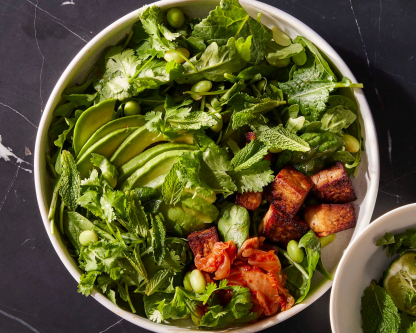
A large arugula salad with sliced cucumbers, grated carrots, cherry tomatoes, garbanzo beans, grilled chicken, 1/2 cup cooled roasted potatoes, with vinegar dressing, along with a cup of broth-based vegetable soup
Snack
Plain nonfat Greek yogurt, ½ cup of berries, and 1 cup of watermelon
Dinner
Baked cod with ¾ cup of brown rice, 1.5 cups of roasted vegetables with no oil, and 1 cup of fresh fruit like cantaloupe, berries, or grapes
Pros and Cons of the Volumetrics Diet
DIETITIANS SAY THEY like the lack of food restrictions with this plan. It can also help with encouraging good nutrition habits so the weight is maintained long-term—a problem crash diets often run into. “This diet is intended to make permanent changes to your food choices, not just while you are losing weight,” Angelone says. That allows followers to choose specific foods based on their dietary preferences.
Gochnour also likes that it follows evidence-based research. “Eating high water, high fiber foods is evidence-based weight loss and fullness guidance, not fad,” he says. There is research to support the diet itself, too. A small study found that people with overweight or obesity who followed the volumetrics diet had similar weight loss results as those who followed a time-restricted eating plan. Both showed significant reductions in body weight after 12 weeks on either diet.
But the diet isn’t perfect because of the way it villainizes healthy fats. Gochnour emphasizes that any diet should include a portion of healthy fats. Another issue is how the diet is based on calorie density and not food quality. Angelone points out that margarine and chips are in the same category as nuts and seeds.
Why the Volumetrics Diet Works for Men
VOLUMETRICS IS IDEAL for men who want to lose weight and who want to learn about nutrition.
“It can be easier to follow if you think about the old USDA ‘My Plate,’ which encourages you to fill half your plate with non-starchy vegetables, one quarter with lean protein, and one quarter with a whole grain or starchy vegetable,” Angelone says. “This is great for men who are on the go or don’t have time to make calculations.”
Just keep in mind this is probably not great for guys who have high-energy needs like endurance athletes, Gochnour says. The high-bulk foods can be challenging for people with gut issues.
Overall, dietitians say the volumetrics diet can be a good choice if you’re looking to lose weight and keep it off. Angelone says it best: “This is great for someone who is ready to change their eating habits and isn’t looking for a quick fix.”
Looking for more ways to eat good while keeping up with your protein and fiber? MH has 25 chef-approved recipes that taste amazing.
Korin Miller is a freelance writer specializing in general wellness, sexual health and relationships, and lifestyle trends, with work appearing in Men’s Health, Women’s Health, Self, Glamour, and more. She has a master’s degree from American University, lives by the beach, and hopes to own a teacup pig and taco truck one day.