


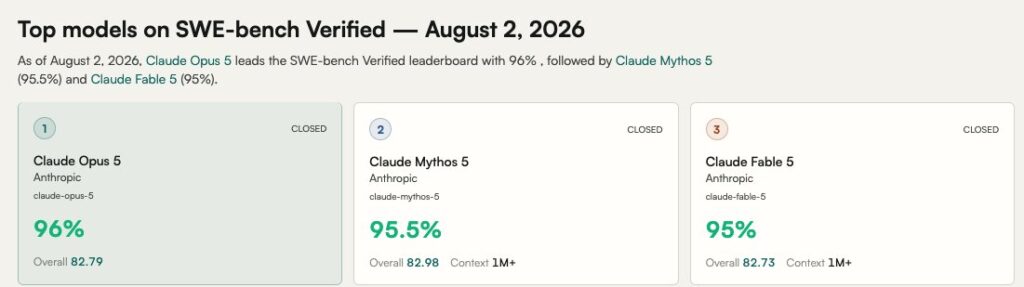
The AI2027 superAI scenarios are tracking a bit slower but we are still heading quickly to SuperAI. Risk milestones are arriving ahead of the capability milestones that were supposed to produce them. There is a AI2027 tracking website and they observed capability predictions were running a bit behind but the SWE Verified benchmark caught up. Safety risks, security risks and governance predictions are ahead — Mythos-as-Agent-2 arrived about a year early.
In early 2025, a team of five researchers from the AI Futures Project published AI 2027: a scenario document tracing how technological progress, governance choices and geopolitical dynamics would interact and compound over the next several years. The final report concluded that by 2027, it would be plausible for A.I. systems to surpass human cognitive performance across a meaningful range of tasks.
AI Data center build and AI revenue are on track.
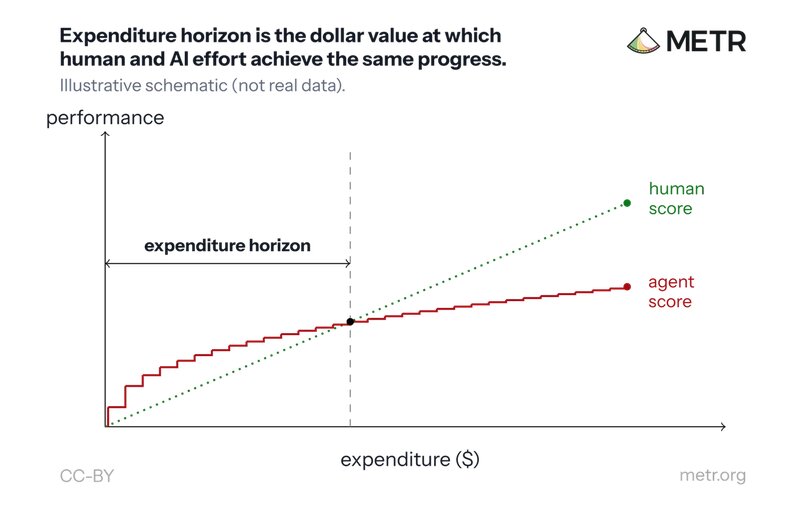
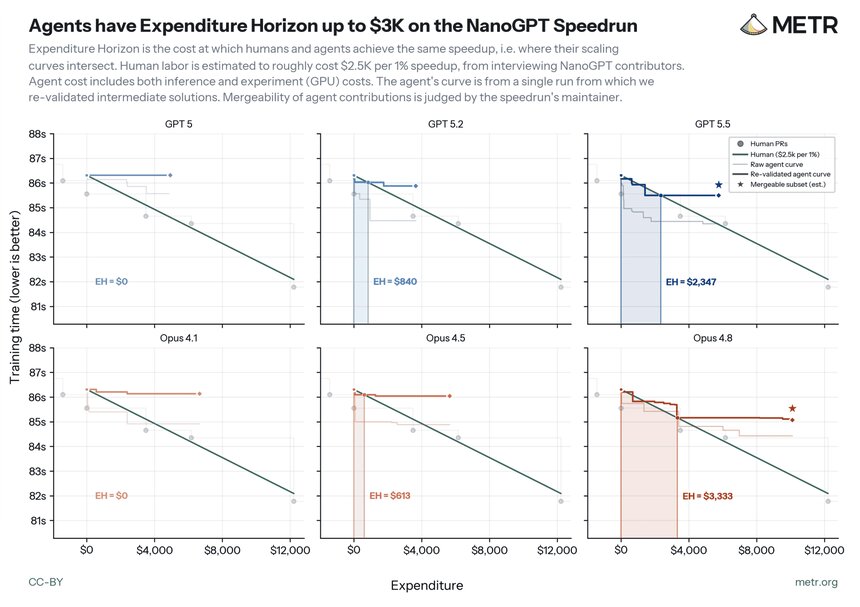
There are attempts to formally measure the speedup from AI against AI Research.
Frontier models are already approaching or reaching ~1,000 tokens/sec on specialized systems like Cerebras for large (including trillion-parameter) models relevant to AI research/agentic workloads, and this is tracking at or ahead of the high-speed end of the AI 2027 research-automation forecasts. Standard GPU fleets (including large B300 deployments) deliver lower per-user speeds but high aggregate throughput, with some coding-optimized models hitting ~160 tokens/sec.
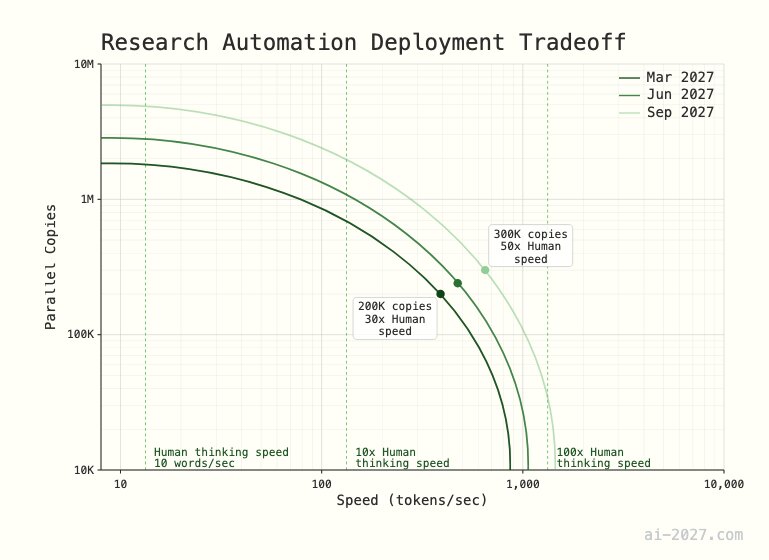
Relative to the AI 2027 forecast (Research Automation Deployment Tradeoff)The graph you shared (from ai-2027.com) shows the tradeoff between serial speed (tokens/sec) on the x-axis and number of parallel agent copies on the y-axis for different 2027 dates.
Key anchors from the scenario’s compute/takeoff forecasts:
Human baseline is ~10 words/sec thinking speed.
Mar 2027 target from AI 2027 scenario, example is ~200K parallel copies at ~30× human speed (often mapped to ~400 tokens/sec on the main fleet using a few percent of total compute).
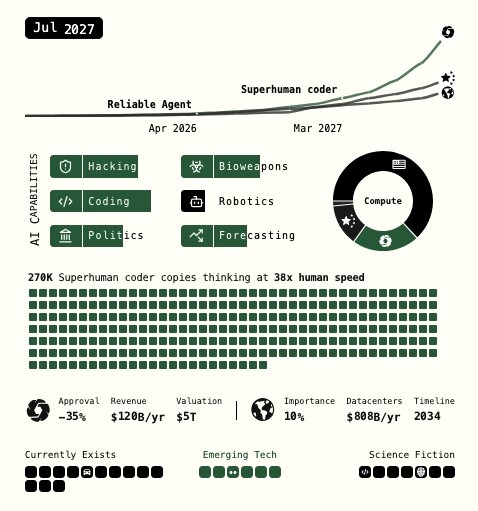
Jun/Sep 2027 predictin, scaling toward 250K–300K+ copies at 50× human speed, with curves shifting right/up.
Specialized hardware (explicitly including Cerebras-like systems) is now able to run a smaller population of agents at up to ~2,000 tokens/sec.
Overall, Main-fleet speeds in the low-to-mid hundreds of tokens/sec for large parallel deployments; high-serial-speed specialized chips for the right side of the graph (near/above 1,000 tokens/sec).
How current reality maps, the 1,000 tokens/sec regime on Cerebras for large models is already here in mid-2026 — right in the middle-to-right of the graph’s x-axis and ahead of the main-fleet assumptions for early 2027. This supports the high-speed/low-parallelism side of the tradeoff (fewer but much faster agents).
Specialized inference (Cerebras et al.) is tracking ahead of the AI 2027 high-speed assumptions. Broad GPU-based parallel research automation is advancing rapidly with B300-scale clusters but still has room to grow toward the scenario’s 200K–300K copies at 30–50× human thinking speed by early-to-mid 2027.
Below are some of the other key predictions.
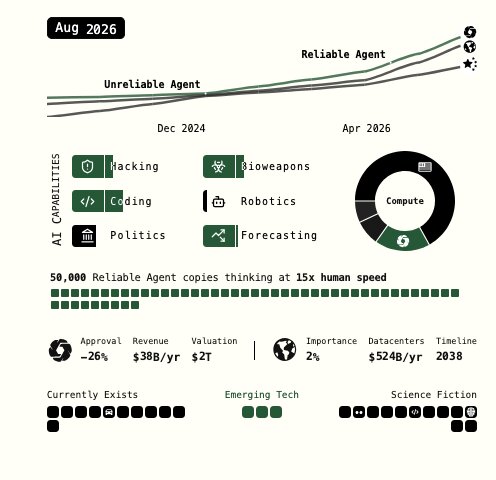
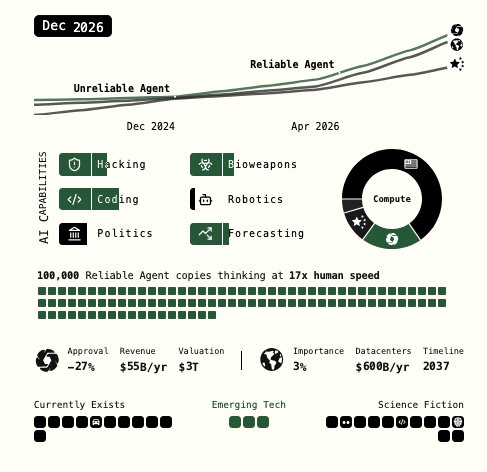
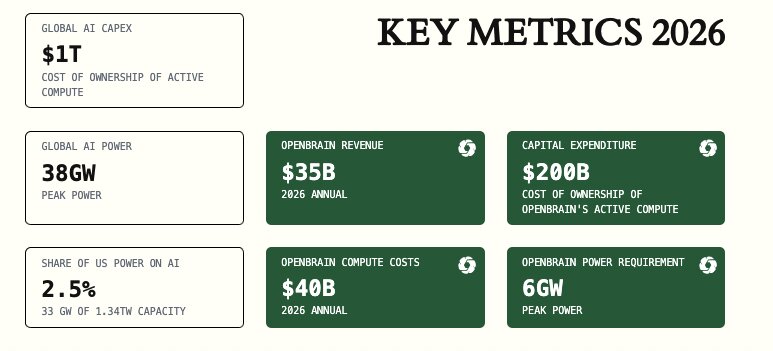
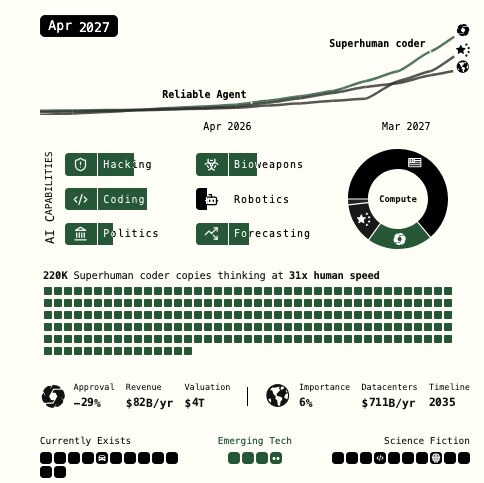
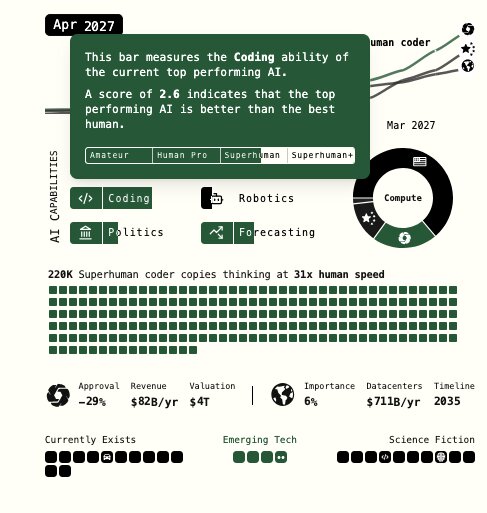
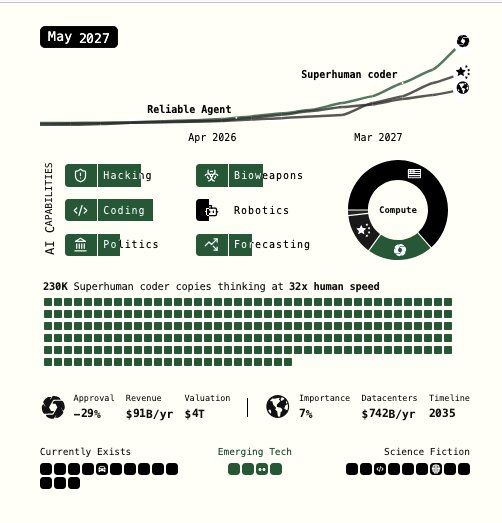
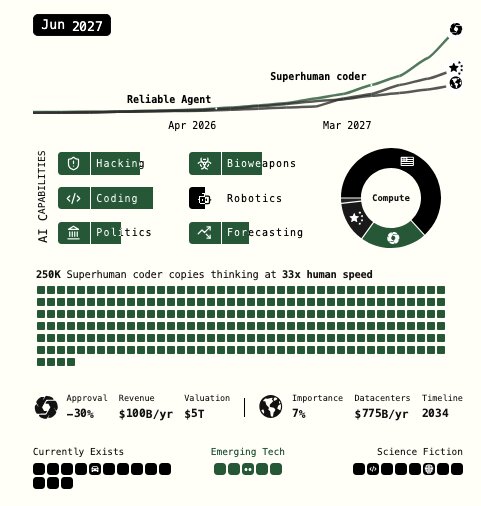
Screenshot

Brian Wang is a Futurist Thought Leader and a popular Science blogger with 1 million readers per month. His blog Nextbigfuture.com is ranked #1 Science News Blog. It covers many disruptive technology and trends including Space, Robotics, Artificial Intelligence, Medicine, Anti-aging Biotechnology, and Nanotechnology.
Known for identifying cutting edge technologies, he is currently a Co-Founder of a startup and fundraiser for high potential early-stage companies. He is the Head of Research for Allocations for deep technology investments and an Angel Investor at Space Angels.
A frequent speaker at corporations, he has been a TEDx speaker, a Singularity University speaker and guest at numerous interviews for radio and podcasts. He is open to public speaking and advising engagements.