

Rome spent nearly 200 years working to conquer the Iberian Peninsula.
Get the Popular Science daily newsletter💡
Breakthroughs, discoveries, and DIY tips sent six days a week.
By signing up, you confirm you are 16+, will receive newsletters and promotional content and agree to our Terms of Use and acknowledge the data practices in our Privacy Policy. You may unsubscribe at any time.
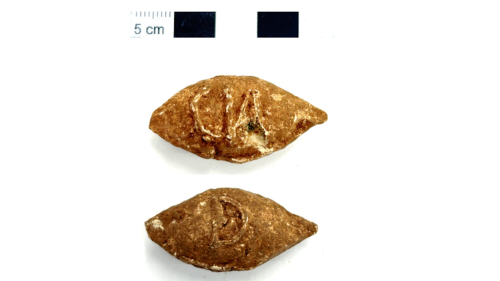
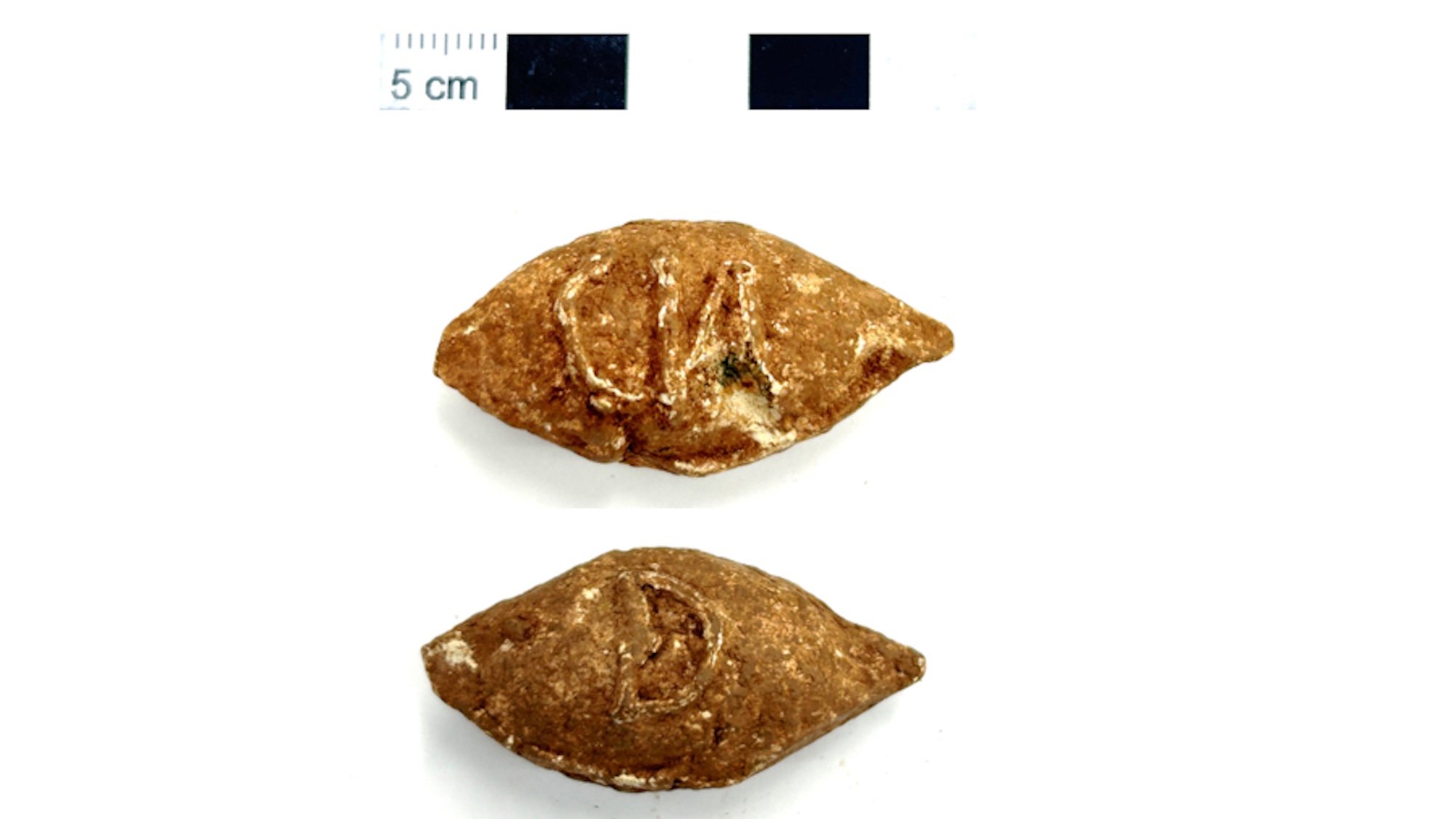
In 39 BCE, a Roman governor decided to drive a message home to revolters in present-day Spain in the bluntest way possible. Among the many recently discovered artifacts at an archaeological site near the eastern Pyrenees in Catalonia, researchers identified a pair of slingshot bullets inscribed with “CN D.” The name behind the abbreviation? Gnaeus Domitius Calvinus, a general and ally to the emperor Augustus who helped quash an uprising known as the Ceretani Revolt.
The ancient namesake ammunition detailed by researchers at Spain’s Autonomous University of Barcelona is only the latest example of Roman soldiers’ penchant for taunting their enemies from afar. At a 2,100-year-old siege site in the present-day Golan Heights, archaeologists recently excavated similar sling bullets inscribed with jeers like “Learn your lesson!” In this case, however, the message appears more of an announcement of who was in charge of stamping out the local rebellion.
Researchers found the lead bullets near the Catalonian town of Urús, about 70 miles north of Barcelona. They also found various coins, garment brooches, soldiers’ items, and Roman military sandal iron studs called clavi caligae. While most of the artifacts date to around the early first century BCE, the sling ammunition inscriptions offer a much more concrete time period. “CN D” stands for “CN(eus) D(omitius),” or Gnaeus Domitius Calvinus, a Roman military commander and the governor of the province Hispania Citerior during what’s known as the Ceretani Revolt around 39 BCE.
The Ceretani were an Indigenous community who farmed, herded, and mined within the Cerdanya region of Catalonia during the Iron Age. The area’s roadways, grazing fields, and natural resources made it a target of the Roman Empire during their lengthy conquest of the Iberian Peninsula. Although the nearly 200-year-long campaign was nearly finished by the time that Gnaeus Domitius Calvinus arrived, the Ceretani remained one of the last pockets of resistance.
In his account of the era, the Roman historian Cassius Dio described a Ceretani ambush on the general’s soldiers around 39 BCE. Upon learning of their retreat, Calvinus punished his troops by reportedly executing one-in-10 men from two units before setting his sights on the rebels. The quick, decisive defeat marked Rome’s final domination of the peninsula and solidified their influence over regional trade and military routes.
Prior to discovering the archaeological site near Urús, experts believed Calvinus’ campaign took place farther west into the Pyrenees. Evidence like the personalized sling bullets now indicate combat occurred closer to the Ceretani heartland.
However, life was far from peaceful in the aftermath. Following the campaign, Rome aggressively eradicated and restructured local settlements, while instituting repressive laws designed to assimilate the area into the greater empire. With artifacts like the bullets, archaeologists now have a better understanding of where the nearly two-century-long struggle finally ended—and who took responsibility for the conquest.

2026 Popular Science Home of the Future Awards
39 products that will improve your everyday life.