

So says Dr Thulja Trikamjee, a specialist paediatrician and allergologist from Netcare Sunninghill Hospital in Johannesburg, who has a sub-specialty certificate in paediatric allergy, a diploma in allergy, as well as a Union of European Medical Specialists allergy and immunology certificate.
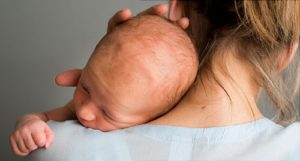
Trikamjee says people today have a higher risk than ever of suffering from some form of allergy. The Allergy Foundation of SA says a baby without any family history of allergies now has a 15% risk of developing an allergic condition within its first few years.
“If one parent has an allergy, then the child’s risk increases to between 40% and 50%; and if both parents are allergic, the risk is as great as 60% to 80. A child with siblings with allergies also has a significantly increased risk of developing allergies,” she said.
The good news is you can lower the risks of your children developing allergies.
In fact, allergy prevention should begin when a woman first learns she is pregnant.
“As the foetus develops, so does the baby’s immune system. As the baby develops its own antibodies, exposure to potential allergens can help prevent them from developing allergies to these substances,” she said.
“Most mothers don’t realise that when they eat, tiny food proteins pass through the umbilical cord to the foetus.
“If this continues through pregnancy, the baby’s immune system starts to recognise these proteins.
“This process continues after birth and after the baby starts eating solids.”
So what steps to take after finding out you’re pregnant?
Eat a healthy balanced diet, including food from all major food groups.
Don’t eliminate/reduce consumption of any specific allergenic foods, like dairy, egg, seafood and nuts, unless you have a confirmed allergy to these.
Increase your intake of oily fish, or take an omega supplement.
Introduce solids, and allergenic foods in particular, to your baby early. Between four and six months is best.
Breast milk contains numerous immune factors and properties, which can help prevent allergies and protect babies from infections, so breastfeed for at least four months.
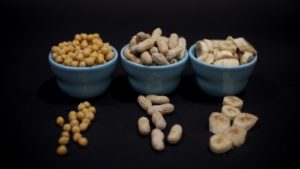
Some main food groups cause the majority of allergic reactions in children, including cow’s milk, hen’s eggs, peanuts, tree nuts, wheat, soya and seafood.
Symptoms include:
Hives
Stomach upset
Vomiting
Diarrhoea or bloody stools
Difficulty breathing
Change in consciousness or activity
“Fortunately, most children outgrow their allergies. For example, many outgrow milk, egg and nut allergies.”