


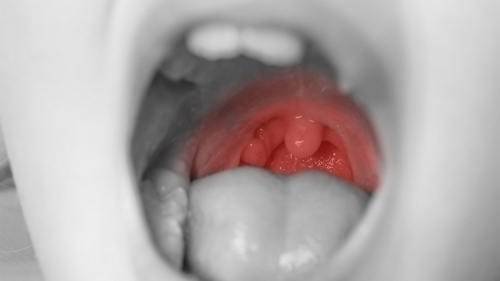
- Postoperative oral dexamethasone modestly reduced pain after pediatric adenotonsillectomy, a randomized clinical trial showed.
- The dexamethasone group also had decreased odds of receiving an opioid prescription or having an emergency department visit for pain.
- However, wide confidence intervals and less than clinically meaningful differences in the main pain endpoint precluded definitive conclusions.
Postoperative oral dexamethasone might have modestly reduced pain after pediatric adenotonsillectomy, a randomized clinical trial found.
The steroid reduced mean pre-analgesic pain scores on postoperative days 2 to 8 by 0.72 (95% CI 0-1.44) points more than placebo on the 0-10 point Wong-Baker FACES Pain Rating Scale, reported Amber Shaffer, PhD, of UPMC Children’s Hospital of Pittsburgh, and colleagues.
However, that difference was below the threshold for a clinically meaningful impact. And, wide 95% confidence intervals as well as differences in pain prior to taking the study medication “prevented making definitive conclusions,” they noted in JAMA Otolaryngology–Head & Neck Surgery.
“Tonsillectomy is among the most painful otolaryngologic procedures in children, often resulting in substantial morbidity and opioid use,” Shaffer and colleagues wrote, noting that from 2020 to 2021, more than half of postsurgical opioid prescriptions in young patients up to 21 years old were dispensed after tonsillectomy or adenoidectomy.
Previous randomized clinical trials have consistently shown reduction in post-operative tonsillectomy pain by a single, intraoperative dose of intravenous (IV) dexamethasone, with a more recent randomized clinical trial suggesting noninferiority of perioperative oral dexamethasone. Researchers have previously reported that dexamethasone to control nausea and vomiting after tonsillectomy is not associated with higher rates of serious post-operative bleeding.
This study “provides important evidence and adds meaningfully to the existing body of literature on postoperative pain management in this patient population,” Kris Jatana, MD, of Nationwide Children’s Hospital and Ohio State University’s Wexner Medical Center in Columbus, told MedPage Today.
It is important to note that the study “focused exclusively on extracapsular (total) tonsillectomy as the surgical technique,” Jatana noted. “Intracapsular (near-total, approximately 99% removal) tonsillectomy has also been shown to significantly reduce postoperative pain and the risk of bleeding.”
“Opioids should be reserved as a last-line option for breakthrough pain that is not adequately controlled despite optimization of non-opioid therapies,” he added.
By adding postoperative steroids after intraoperative steroids, Shaffer and colleagues found some larger secondary benefits in that the dexamethasone group had less pre- and post-analgesic pain on some of the final postoperative days examined, 12 and 13 (mean difference 0.96-2.37 points). The dexamethasone group also had a “considerable decrease” in odds of receiving an opioid prescription (OR 0.23, 95% CI 0.06-0.84), or having an emergency department visit for pain (OR 0.12, 95% CI 0.003-0.91).
Differences in readmissions, nursing telephone calls, post-tonsillectomy hemorrhage, and return to normal diet between groups were “small and clinically meaningless,” Shaffer and colleagues noted.
Altogether, the findings “support postoperative oral dexamethasone as an analgesic adjunct in this population,” the group concluded. “However, the sample size was relatively small and the precision around estimates was low. Therefore, certainty regarding where the true value lies and whether it includes clinically meaningful effects is limited.”
The trial included 209 participants ages 3 to 17 years (mean 7.1, 52.6% male) who had a standardized intraoperative anesthesia regimen that included 0.5 mg/kg IV dexamethasone (up to 20 mg). They were randomized 1:1 to liquid dexamethasone sodium phosphate (0.5 mg/kg up to 20 mg) or an equivalent volume of water as placebo on days 2, 4, and 6 after surgery. Parents mixed the study drug with 5 mL of cherry syrup so the taste and appearance of dexamethasone and placebo were indistinguishable.
Parents were to administer acetaminophen every 4 hours and ibuprofen every 6 hours for the first 3 postoperative days, and then as needed. No opioids were prescribed before discharge.
To measure pain, parents completed a pain diary with their child for 14 days, Shaffer and colleagues noted. Parents were to indicate each time that acetaminophen, ibuprofen, or oxycodone was administered to their child and to have their child rate their pain before and 1 hour after taking the medication.
Randomization was stratified by age group (3-7, 8-12, and 13-17), but there were “no notable pain by age interactions,” Shaffer and colleagues noted.
Adverse effects and details on participants’ diets also were recorded. A final diary page asked about items like pain medications after 14 days and emergency department visits. Parents received text messages via REDCap on postoperative days 1 and 8 with reminders to complete the diary.
Limitations included that the study was terminated after reaching just half the target sample sizes for the 8-12 and 13-17 age groups due to slow enrollment, Shaffer and colleagues noted. Also, only about 64% of participants returned pain diaries, “further limiting the sample size for assessment of pain scores,” the researchers added.
Other limitations included that compliance with study medication was not assessed, and that a lack of representation across demographic groups may affect the generalizability of the findings. Nearly 87% of study participants identified as white, and just slightly more than 8% of participants who returned pain diaries identified as non-white.