

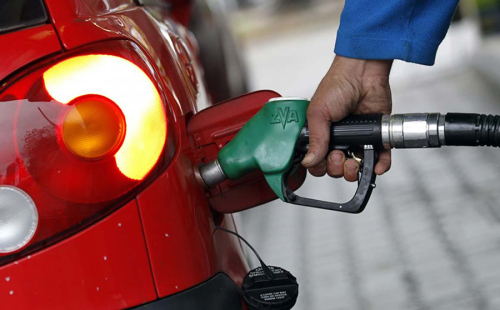
The Nigerian Midstream and Downstream Petroleum Regulatory Authority (NMDPRA) has attributed persistent volatility in petrol prices to crude oil sourcing, single-source domestic refining, logistics and transportation costs. The Head of Public Affairs at NMDPRA, George Ene-Ita, disclosed this during an interview with the News Agency of Nigeria (NAN) on Sunday, September 6, 2026, in Abuja. Ene-Ita described the issues surrounding the continuous increase in petrol prices as complex, noting that petrol prices have been fully deregulated and are therefore subject to market volatility. What he is saying
The NMDPRA spokesman said the cost of sourcing crude oil as feedstock and the time lag between crude procurement and its arrival at refineries are factored into product pricing.
He added that marine and inland taxes associated with the movement and supply of petroleum products are also included in the pricing. “This issue is knotty in the sense that there are various factors involved.”
“Pump price petrol has been completely deregulated. And if this is the case, it also means that all volatilities associated with supply have to be factored in.”
“These factors include single source domestic refining, sourcing of crude oil as feedstock, time lag between when crude is sourced offshore and when it eventually arrives the refinery.”
“They also include time lag between when PMS cargoes are ordered and when they eventually arrive our ports for subsequent inland distribution and supply in the case of imported fuel.”
Ene-Ita also identified transportation and landing costs, as well as marine and inland taxes, as factors affecting petrol prices, adding that a more robust, competitive and sustainable domestic refining ecosystem could make pricing clearer and more beneficial to consumers. More insight
Ene-Ita said refinery pricing templates and ex-depot prices were not regulated under the current framework. He, however, noted that NMDPRA was collaborating with stakeholders and agencies such as the Federal Competition and Consumer Protection Commission (FCCPC) to ensure price equilibrium and parity at the last mile.
The current pump price of petrol in Lagos is approximately N1,310 per litre, compared with between N1,075 and N1,135 per litre around early July this year. Motorists and stakeholders, particularly oil marketers, have expressed concerns over the increase in petrol prices, saying it has worsened hardship and reduced their profit margins. The Independent Petroleum Marketers Association of Nigeria (IPMAN) urged the Federal Government to intervene in crude oil pricing for domestic refining to moderate fuel prices and ease pressure on consumers.
IPMAN President, Alhaji Maigandi Garima, said higher international crude oil prices translate into higher production costs for refiners, who subsequently pass the additional costs to the market. Garima called for government intervention to reduce the cost of crude supplied to domestic refineries during periods of international market volatility. What you should know
Nairametrics reported in March this year that oil marketers had raised concerns that their businesses were suffering from the spike in petrol prices linked to the ongoing conflict in the Middle East. Marketers said they required a much larger financial outlay to purchase a truckload of petroleum products, while earning low returns that may be inadequate to cover the high interest rates on bank loans. They also said demand for petroleum products had dropped drastically among their customers. Some customers who previously bought 20,000 litres or 10,000 litres were reportedly purchasing about 2,000 litres or 1,000 litres. Marketers said the combination of higher product costs, reduced demand and financing expenses was putting additional pressure on their businesses.
The latest concerns come as stakeholders continue to seek ways to moderate petrol price volatility and reduce the pressure on consumers and oil marketers.