
michelangeloop/Shutterstock
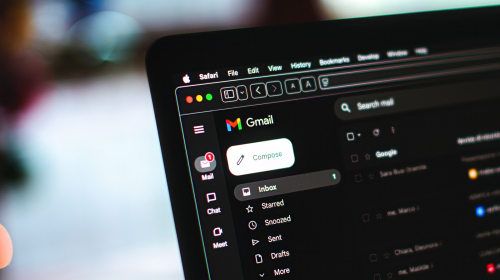
Google’s Gmail has been the major player on the email scene for more than two decades. Over the years, the online platform has expanded well beyond email to connect with a suite of online-based free alternatives to Microsoft’s Office suite. While Gmail’s features are compelling, some people aren’t fans of how Google’s business has changed over the years, raising concerns about the company’s commitment to privacy. Fortunately, there are alternatives, including Proton, Zoho, Runbox, Soverin, and Tuta.
Google’s privacy practices have been an issue for many years. which makes up a significant amount of its profit, giving the company an incentive to push boundaries whenever possible. Google’s service is also very popular, making it a big target for hackers.There are ways to protect from these concerns. You can secure your Gmail account, including by avoiding the worst passwords you shouldn’t use. Another is to pick a privacy-focused alternative to Gmail. Thankfully, there is a growing list of options ad-free and encrypted options, ranging from email specialists to full office-like suites. Many of these services are free to use, like Gmail, while others offer free trials before requiring a monthly subscription.
We’ve compiled a list of services people tend to talk about on Reddit, YouTube, and other tech review sites when discussing privacy-focused alternatives to Gmail. We do not pick a favorite, but we do highlight differences and share from personal experience.
Proton Mail
If you’re looking for a free alternative to the Gmail ecosystem, but can’t live without all the applications offered, Proton might be for you. The company says its Proton Mail service stops trackers, and doesn’t scan your email or use messages for AI. Every email that comes in and that you send is kept private thanks to end-to-end encryption.
Proton also features its own suite of Google Workplace/Microsoft Office alternatives. The company offers office apps, cloud storage, a password manager, a calendar, video meetings, a VPN, and more. As someone who left Google behind, I depend on Proton for all my work tools, including writing all my articles using Proton Docs and storing them in Proton Drive.
The company also offers its own take on AI, promising a privacy-focused experience through its assistant app Lumo. Proton said its AI assistant uses zero-access encryption for your conversations and creations, which means the company cannot access your data without your password. The best part is that Proton Mail and its services like Proton Pass are free, but we think the paid version is the way to go.
Zoho Mail
Another security-focused popular alternative to Gmail is Zoho Mail. Like Proton, the company offers a suite of products similar to Microsoft and Google, though Zoho is tailored more for business use. Still, it can be a great choice for personal email, too. You can even create a domain for your email, something that can help add legitimacy to your personal brand or fledgling business.
The service prides itself on security, promising 99.9% up-time, DDOS prevention, encryption, and corporate-level security compliance. Included user tools also allow you to protect yourself from data phishing and potential malware attacks.
Those business features expand with Zoho Workplace, which includes a suite of office-like apps, drive storage, team chat, meeting software, calendar, and more. Zoho Mail has a free plan, as do many of the apps in Zoho Workspace.
Runbox
Those looking for a secure email service but want their money to go to a more environmentally-minded company, Runbox might be the answer. Based in Norway, Runbox places a focus on protecting your data and on sustainability. The company says its service is powered with 100% certified renewable energy. Runbox is also employee-owned, which the company’s website highlights as a way to encourage employees to provide excellent customer service and expert-level support to users. Runbox also promises not to use chatbots or automatic response scripts that are more common with other platforms and services.
The company also adheres to the EU’s General Data Protection Regulation (GDPR), which requires service providers to give users more control over their personal data and how it’s used. It also falls under Norwegian privacy laws, which are considered even stricter about confidentiality and data usage.
All these features do come at a cost. The company’s “Micro” starter plan costs around $2 per month with 2 GB of email storage, while its Max plan costs about $8 for 50 GB.
Soverin
If you’re simply looking for an alternative to Gmail, Soverin might be worth taking a look at. The company places a focus on the user being in control of their data, with Soverin serving as a shield. The company pitches its email service like sending a sealed letter, protected until it gets to its destination. This is in contrast to the equivalent of a postcard sent by many other email services, leaving your data open to be read.
Sovern says it isn’t interested in collecting your data or using personal data to build a user profile that can be sold for profit. The platform also doesn’t include any advertising in emails, any trackers, and even removes your personal IP address when sending out emails for added privacy.
The company’s personal email plan starts around $4 a month. And while they simply do email right now, the company’s SoSuite office productivity apps are in beta, with a launch expected sometime this summer.
Tuta Mail
Tuta Mail is another popular choice that pitches itself as “the best Gmail alternative,” and is based in Germany. The company offers many of the same features as others, including secure email that is ad-free and powered by renewable energy. Tuta Mail even offers a free tier to its service, offering 1 GB of storage, an online calendar, and basic FAQ-based support.
Tuta’s free service has an important caveat, though. You must log in to your account at least once every six months, or the company will delete the account. Further, Tuta says it does not “recycle” addresses, meaning new signups can’t use the same address as a deleted account. Instead, if your account is deleted, you will need to upgrade to a paid account to regain access. Tutua Mail subscription plans start at around $4 per month.
In addition to its mail service, Tuta also offers free dedicated apps for both iOS and Android to access email and calendar. The company is also testing a cloud storage service it calls Tuta Drive, which it plans to make publicly available sometime this year.
Methodology
Juststock/Getty Images
When looking for the best privacy-focused alternatives to Gmail, we looked to the expertise of those who have switched email platforms. This includes the direct experience of the writer, as well as recommendations that come from both forums such as Reddit and YouTube channels that focus on privacy and security.
We also made it a point to highlight several different services, many of which have a free component, and others that come with a subscription fee to use. We also took into account written reviews and recommendations from not only our own team, but from various tech-based websites from across the internet in compiling this list.