


Bioreports
Sunday, 11 Oct 2026
  • Home
  • POLITICS
  • SPORTS
  • HEALTH
  • BUSINESS
  • ENTERTAINMENT
    • Fashion
    • Fitness
    • Food
    • Travel
Newsletter
  • news
  • update
  • life style
  • tech
  • fitness
  • fashion
  • travel
  • food
BioreportsBioreports
Font ResizerAa
  • Home
  • Read History
  • Economy
  • Travel
  • Global Security
  • Global Affairs
  • World
  • Technology
  • Login
  • Blog
  • Contact
Search
  • Pages
    • Blog Index
    • Contact Us
    • Search Page
    • 404 Page
  • Pages
    • Home
    • Blog Index
    • Contact Us
    • Search Page
    • 404 Page
  • Pages
    • Home
    • Blog Index
    • Contact Us
    • Search Page
    • 404 Page
  • Personalized
    • Read History
  • Personalized
    • Read History
  • Personalized
    • Read History
  • Categories
    • Economy
    • Global Affairs
    • Technology
    • Travel
    • Global Security
  • Categories
    • Economy
    • Global Affairs
    • Technology
    • Travel
    • Global Security
  • Categories
    • Economy
    • Global Affairs
    • Technology
    • Travel
    • Global Security
Have an existing account? Sign In
Follow US
© 2026 Foxiz News Network. Ruby Design Company. All Rights Reserved.
Gadgets

Burner Phones Are Legal In The US, But A New FCC Crackdown Could Change That

admin
Last updated: July 17, 2026 2:19 am
By
admin
Share
5 Min Read
Burner Phones Are Legal In The US, But A New FCC Crackdown Could Change That
SHARE

The bottom of mobile flip phones in various colors.

Isidora Jakovljevic/Getty Images

Burner phones are a great way to quickly and temporarily gain access to mobile networks without giving up personally identifiable information. You can walk into a convenience store, grab a cheap phone, set it up in minutes, and have full access to texting and calling to communicate with friends, family, you name it. However, a new FCC proposal could put a damper on that. FCC 26-27, adopted April 30, 2026, establishes a “know your customer” (KYC) standard that requires carriers and VoIP providers to collect identifying information before activating or renewing mobile service. Those details include customer name, physical address, a government-issued ID number, and an alternate phone number, effectively tying any prepaid services to your name and personal details, like a traditional mobile carrier subscription.

Burner phones are currently legal, but this proposal could end the anonymity associated with them altogether. Burners or prepaid phones are meant to be used right away without contracts and obligations, and they can also give you in-the-moment access without giving up your identity, if you’re trying to stay incognito, for example. Obviously, that makes them a top choice for nefarious actors and illicit activities, but they’re also a viable way to preserve your privacy in an increasingly data-driven world. You can buck overbearing surveillance, escape spam that comes to your regular number, have a backup in emergencies, or for the most vulnerable, simply have cheap, accessible access to a mobile phone — there are many reasons why you might want a burner.

The official messaging from the FCC is that this is being done to combat “fraud, espionage, or … operations that undermine national security.” It is also intended to prevent abuses of mobile networks, including egregious spam.

Why would eliminating burner phones be a problem?
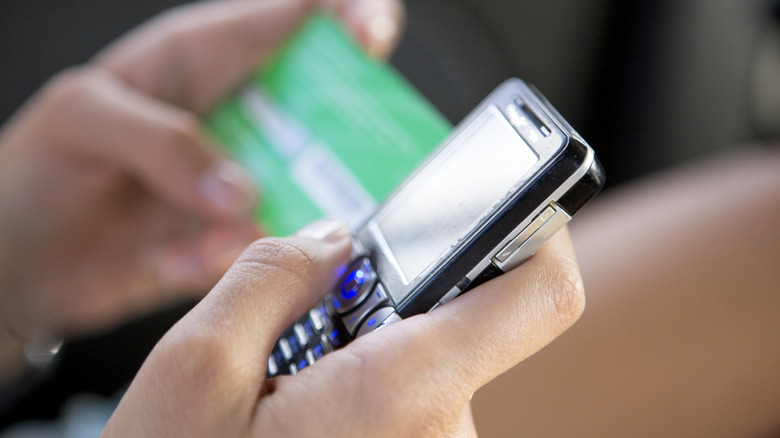
Someone activating a prepaid phone with a payment card in the background.

Webphotographeer/Getty Images

Digital rights advocates at the Electronic Frontier Foundation and the ACLU warn, per Fortune, that this proposal may have far-reaching consequences without actually reducing the intended events like unwanted spam calls. Moreover, they state that “The telecommunications industry has proven time and again to be poor stewards of personal information,” pointing out how the industry has been involved in many large-scale data breaches affecting everyday people. The collection of this information could open up more opportunities for that to happen, while potentially harming more people in the process. The FCC itself has also made some concerning moves in the past related to data security and privacy, as seen recently with the FCC ruling AT&T, Verizon, and T-Mobile customers should be concerned about.

But that’s just the personal data argument. There’s also the point that requiring government-issued ID could put phone service out of reach to many, primarily those in vulnerable communities. An estimated 2.6 million Americans lack government-issued photo ID of any kind, spanning communities like those with disabilities, low income, and beyond. Even for those with IDs, the address requirement could gatekeep access, potentially for those who are unhoused. The definition in the FCC proposal for a “physical address” purportedly excludes P.O. boxes, mail-forwarding services, and shared office or communal spaces. The latter is commonly a safe haven for those fleeing domestic violence or poor living conditions.

What’s next for FCC 26-27?
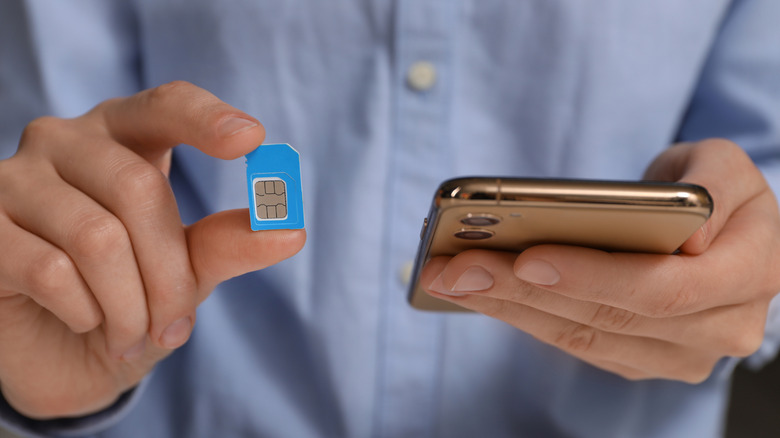
Someone holding a phone in one hand and a SIM card in the other.

Liudmila Chernetska/Getty Images

FCC proposals that are adopted, like FCC 26-27, go through a formal review process that includes a public comment phase. Nearly anyone, like consumers, industry experts, or advocacy groups like the EFF, can submit public comments and feedback on the rules, typically for 30 to 60 days. The FCC then reviews this data and the arguments presented and will either finalize the rules or dismiss them through something called a Report and Order phase. According to the FCC, the initial public-comment period for this particular proposal has passed.

You can track the ongoing status and agency statements on the FCC’s consumer policy issues page. If they go into effect, these rules would deal a swift blow to mobile and modern privacy efforts. For example, ditching your smartphone for a flip phone while preserving all the anonymity it affords will become a whole lot harder.

Interestingly, as VoIP providers are addressed in the proposal, this could also affect mobile and Android apps that act as digital burner phones, as well. Presumably, these digital providers would also have to enact a process to collect and verify customer information.

Share This Article
Email Copy Link Print
Previous Article Does Google Maps Work In China? It’s Complicated Does Google Maps Work In China? It’s Complicated
Next Article New Channels Are Coming To YouTube TV New Channels Are Coming To YouTube TV
Leave a Comment

Leave a ReplyCancel reply

FacebookLike
XFollow
InstagramFollow
LinkedInFollow
MediumFollow
RSS FeedFollow
Most Read
Japan vows to intervene again with US over yen if needed

Japan vows to intervene again with US over yen if needed

Travelers Thought They Were Booking Directly With a Hotel. A Lawsuit Alleges Some Paid Up to 85 Percent More

Travelers Thought They Were Booking Directly With a Hotel. A Lawsuit Alleges Some Paid Up to 85 Percent More

5 things to know about haley stevens, democratic senate hopeful in michigan

5 things to know about haley stevens, democratic senate hopeful in michigan

SolarEdge’s stock is shedding a quarter of its value as sales woes trump AI progress

SolarEdge’s stock is shedding a quarter of its value as sales woes trump AI progress

Morgan Stanley: America could go into recession before next spring if the US-China trade war escalates

Morgan Stanley: America could go into recession before next spring if the US-China trade war escalates

Indian companies tap stock market for record ₹2.3 lakh crore despite global turmoil

Indian companies tap stock market for record ₹2.3 lakh crore despite global turmoil

Beyond Meat drops after Nestle says it’s launching a veggie burger

Beyond Meat drops after Nestle says it’s launching a veggie burger

William Orbit, Grammy-winning producer, dies at 69

William Orbit, Grammy-winning producer, dies at 69

China is warning its citizens to avoid traveling to the United States due to ‘frequent cases of shootings’

China is warning its citizens to avoid traveling to the United States due to ‘frequent cases of shootings’

U.S. Senate passes stopgap spending bill without Trump priorities

U.S. Senate passes stopgap spending bill without Trump priorities

Related News
Greece Plans Crypto Capital Gains Tax: Report
Gadgets

Greece Plans Crypto Capital Gains Tax: Report

Bitcoin Falls Below $81,000 as Oil Spikes, Fed Talks Tough
Gadgets

Bitcoin Falls Below $81,000 as Oil Spikes, Fed Talks Tough

EDX Markets and VerifiedX Partner to Bring Verified Bitcoin (vBTC) to Institutional Markets
Gadgets

EDX Markets and VerifiedX Partner to Bring Verified Bitcoin (vBTC) to Institutional Markets

Jack Dorsey’s Block Gifts One Bitcoin to Lucky ComplexCon Attendee
Gadgets

Jack Dorsey’s Block Gifts One Bitcoin to Lucky ComplexCon Attendee

The Quantum Issue: Bitcoin Quantum Exposure at Block 950,000 
Gadgets

The Quantum Issue: Bitcoin Quantum Exposure at Block 950,000 

  • Quick Links:
  • SPORTS
  • Business
  • Gadgets
  • HEALTH
  • NEWS
  • America News
  • ENTERTAINMENT
  • Travel
  • Virtual Reality
  • WORLD NEWS
  • Global Affairs
  • News World
  • POLITICS
  • Africa News
  • Tech
Bioreports
Information You Can Trust: Stay instantly connected with breaking stories and live updates. From politics and technology to entertainment and beyond, we provide real-time coverage you can rely on, making us your dependable source for 24/7 news.
Quick Links
  • Read History
  • Economy
  • Travel
  • Global Security
  • Global Affairs
  • World
  • Technology

© Bioreports News Network. . All Rights Reserved.